

Reconnecting Children to the Web of Life: Why Nature Matters More Than Ever
- earlyinsights

- 5 days ago
- 5 min read
“Humans are not separate from nature—we are nature. Allowing children to discover this in their earliest years can have a lasting impact on who they become and how they live.”
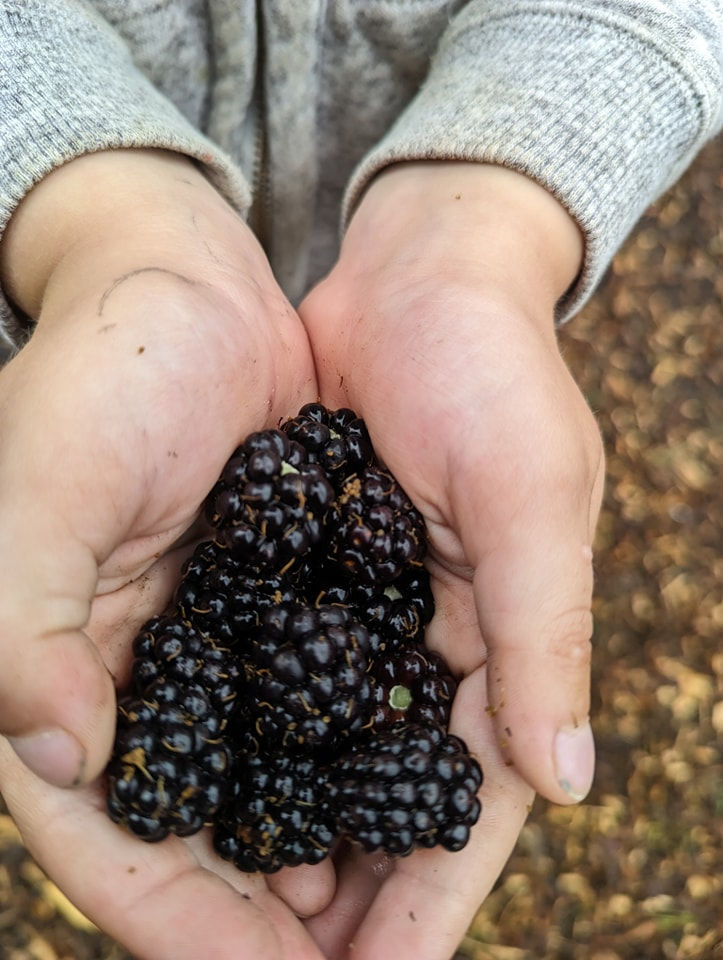
We are living through a quiet but profound shift in childhood. More and more children are choosing to spend time indoors, distracted by screens, schedules, and structured environments, but increasingly disconnected from the living world around them.
Yet nature is not an “extra” in childhood. It is foundational.
The natural world is the original classroom, playground, and source of wellbeing. When children are supported to build a relationship with it early in life, the benefits extend far beyond childhood itself—shaping health, emotional resilience, curiosity, and even how they care for the planet as they grow.
Research consistently shows that children who feel connected to nature experience higher wellbeing, better emotional regulation, improved attention, and stronger pro-environmental attitudes later in life . But beyond the research, there is something deeply human about it: children are naturally drawn to life, movement, texture, and wonder.
The question is not whether children need nature.
It is how we can make sure they don’t grow up without it.
Why Nature Connection Matters in Early Childhood
Early childhood is a critical window for shaping how children understand themselves and the world. Experiences during these years form the emotional and sensory “blueprint” for later life.
When children spend time in nature—climbing logs, noticing insects, feeling wind, watching seasons change—they are doing far more than playing. They are building:
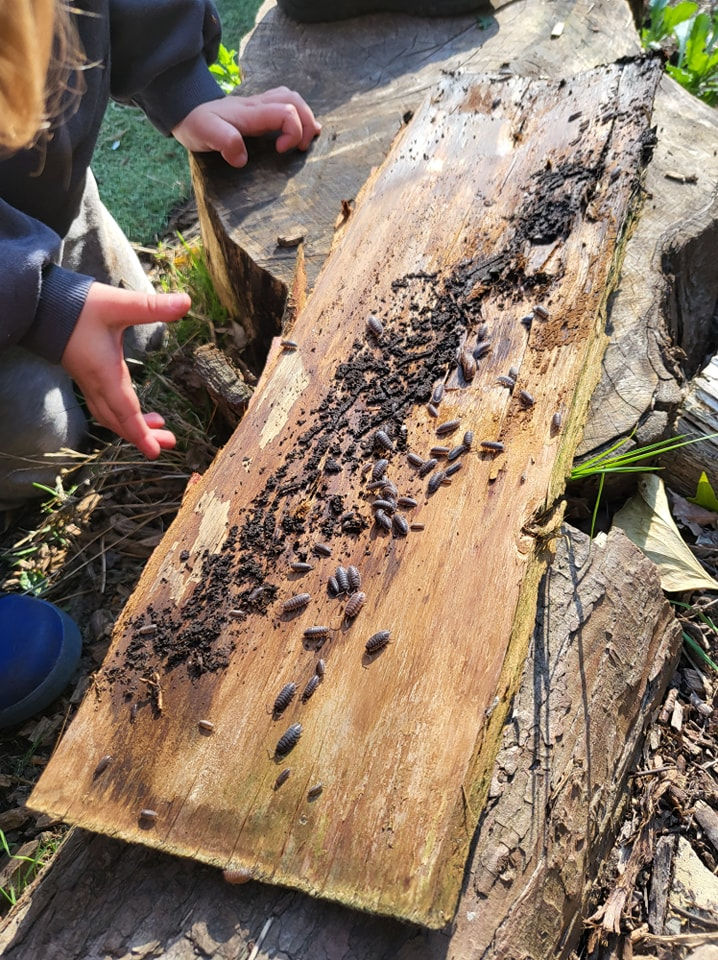
A sense of belonging - Children begin to understand that they are part of something larger than themselves. Not separate from nature, but woven into it.
Emotional wellbeing - Time in natural environments has been linked to reduced stress and improved mood in children, offering a regulating counterbalance to overstimulation and fast-paced environments.
Cognitive and physical development - Uneven ground, natural materials, and open-ended play environments support coordination, problem-solving, and creativity in ways indoor settings often cannot.
Care and responsibility for the living world - Children who develop early emotional connections with nature are more likely to grow into adults who value and protect it.
In short, nature connection is not just about learning about the world—it is about learning to feel part of it.
What Does Nature Connection Actually Look Like for Children?
It is easy to assume that connecting children to nature means big trips to forests or special outdoor programmes. But in reality, it often begins much more simply.
Nature connection is:
Sitting quietly and noticing ants moving through soil
Watching clouds change shape and drift
Feeling rain on skin without rushing inside
Collecting leaves, stones, or sticks and wondering about them
Listening to birds and beginning to recognise their calls
Getting muddy, wet, and fully immersed in sensory experience
These moments do not need to be structured or explained. In fact, the power often lies in not over-directing them.
Children don’t need constant instruction in nature—they need time, freedom, and space.

The Barriers That Are Getting in the Way
Despite its importance, many children today have fewer opportunities for meaningful nature connection than previous generations.
Common barriers include:
Reduced outdoor play time in early years settings
Safety concerns limiting freedom and exploration
Busy family schedules
Increased screen time and indoor entertainment
Reduced access to nearby green space for some communities
Recent research suggests that children’s connection to nature is declining, driven by urbanisation, reduced biodiversity, and fewer daily interactions with the natural world .
This is not simply a lifestyle issue. It is a developmental one.
Because what children miss in early life, they often don’t easily recover later.
If you are looking to reflect more deeply on how your outdoor space supports children’s connection with nature, my Outdoor Environment Review can help you explore simple, meaningful ways to develop it further: https://www.earlyinsights.co.uk/youroutdoorenvironmentreview
How We Can Help Children Reconnect with Nature
The good news is that nature connection does not require perfection, ideal locations, or major change. It begins with small, consistent shifts in how we approach everyday childhood experiences.
1. Prioritise unstructured outdoor time
Not every outdoor experience needs an activity or outcome. Children benefit deeply from open-ended exploration where they lead the experience.

2. Slow the pace down outside
Connection happens in stillness as much as movement. Sitting, observing, and noticing are just as valuable as running and climbing.
3. Bring nature into daily routines
Even small, repeated contact—walking the same tree-lined route, noticing seasonal changes, or watching the sky—builds familiarity and attachment.
4. Allow for sensory experiences
Mud, water, wind, grass, and uneven ground all support deeper engagement with the living world. Discomfort is not always something to avoid—it can be part of learning.
5. Model curiosity
Children notice what adults pay attention to. Simply pausing to observe a bird, cloud, or insect can be powerful modelling.
Gardening and growing experiences are one of the most powerful ways children build a real, lived relationship with nature, and you can explore ideas and support here: https://www.earlyinsights.co.uk/gardening
Nature as a Relationship, Not a Resource
One of the most important shifts we can make is how we think about nature itself.
If children grow up seeing nature as something separate—something to visit, use, or manage—they are less likely to feel responsible for it.
But if they grow up experiencing themselves as part of nature, a different foundation is laid.
This is what “web of life” thinking really means: understanding that humans are not outside the natural world, but embedded within it.
And in early childhood, that understanding is not taught through explanation alone—it is formed through experience.
Final Reflection
Reconnecting children to nature is not about adding another task to already full lives.
It is about restoring something fundamental that childhood has always needed: time outside, freedom to explore, and a living world to belong to.
In a time when disconnection is quietly increasing, every moment a child spends noticing, touching, questioning, and belonging to nature matters more than it might first appear.
Because when children feel part of the web of life, they do not just understand the world differently.
They grow up in relationship with it.

How Early Insights Can Support You
At Early Insights, I work alongside early years settings, schools, and childminders to help bring these ideas into everyday practice in meaningful and achievable ways.
This isn’t about adding more pressure or more “to do” lists. It’s about supporting practitioners to gently reweave nature connection into what they are already doing—through simple shifts in environment, language, routines, and attitudes towards outdoor play.
Support can include:
Developing nature-rich provision that fits your setting and space
Reflective training for practitioners on nature connection in early childhood
Practical ideas for outdoor learning that don’t require specialist resources
Helping teams reconnect with confidence in outdoor and child-led exploration
If you are looking to deepen children’s relationship with the natural world in your setting, Early Insights can help you take small, sustainable steps that make a lasting difference.


Comments