

Brilliant Early Years Don’t Have to Mean Expensive
- earlyinsights

- Sep 30, 2025
- 3 min read
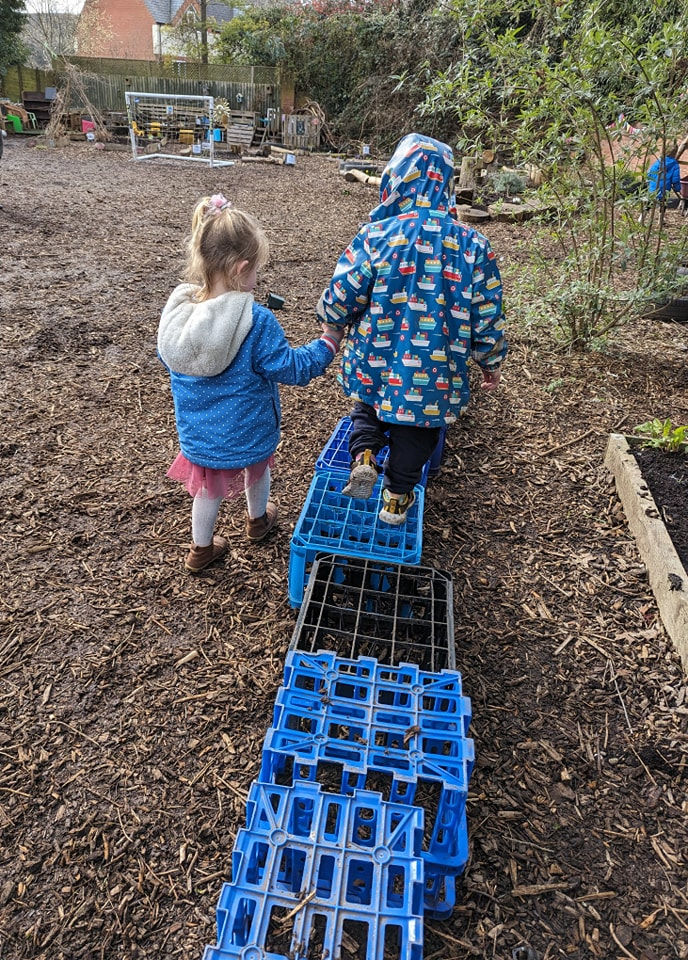
When it comes to early years education, there’s often pressure to invest in the latest toys, equipment, and learning resources. Shiny catalogues and adverts can make it seem like quality early years provision is tied to budget. But the truth is, brilliant early years doesn’t have to mean expensive.
At Early Insights, I believe that what truly matters is being creative, intentional, and connected to the world around us. The most meaningful learning experiences often come from simple, low-cost resources — and many of them are already at our fingertips.
Nature: The Best Classroom
One of the greatest gifts we can give children is the chance to connect with nature. Outdoor play supports physical health, emotional well-being, and cognitive development. Best of all, nature is free — and endlessly inspiring.
Sticks can be wands, paintbrushes, or building tools.
Stones invite sorting, counting, stacking, and storytelling.
Leaves and pinecones become art materials, props for role play, or sensory objects.
Mud transforms into potions, pies, or canvases for mark-making.
Every natural material offers open-ended opportunities for exploration. When children play outside, they are not only developing problem-solving and creativity, but also forming a deep connection with the environment around them.
👉 Tip: Start a “nature basket” indoors where children can bring in leaves, shells, or acorns they’ve collected. This bridges outdoor and indoor learning beautifully.

Everyday Objects with Endless Potential
Some of the most powerful play doesn’t come from a toy shop at all. Children are naturally curious about the objects they see adults using, and everyday items can spark endless imaginative play.
A cardboard box becomes a rocket, a boat, or a cosy reading nook.
Fabric scraps turn into superhero capes, doll blankets, or scenery for small-world play.
Pots, pans, and wooden spoons instantly create a music corner.
Plastic containers double as stacking towers, sorting tubs, or water-play tools.
These items cost little to nothing but open up rich opportunities for problem-solving, storytelling, and creativity.
👉 Tip: Rotate your everyday objects regularly. A box that was once a pirate ship might, next week, be a shop counter or a puppet theatre.

Spaces Built with Love, Not Luxury
Children don’t measure the quality of their early years by the price tag of their environment. What they need most are:
Relationships built on warmth, trust, and respect.
Freedom to explore at their own pace.
Environments that feel safe, nurturing, and full of possibility.
A room filled with designer equipment won’t nurture a child’s potential if relationships are lacking. By contrast, a simple, thoughtfully arranged space — where adults truly see, hear, and value children — can foster growth, creativity, and confidence.
👉 Tip: Think less about “filling the shelves” and more about creating calm, flexible spaces that allow children to choose, explore, and lead their play.

Seeing Through a Child’s Eyes
The real secret to creating a brilliant early years environment is perspective. When we view the world through a child’s eyes, everything becomes a learning resource:
A puddle is a science experiment.
A feather is a writing tool or part of a costume.
A shadow becomes a canvas for dance and drama.
Children remind us daily that the world is already full of wonder. As educators, parents, and caregivers, our role is simply to provide the time, space, and encouragement to explore it.
Why Low-Cost Resources Matter
Beyond saving money, using natural and everyday resources also teaches children:
Sustainability: valuing and reusing materials instead of creating waste.
Imagination: seeing multiple possibilities in a single object.
Resilience: learning that joy and creativity aren’t dependent on “things.”
In a world where consumerism often dominates, these lessons are not only valuable — they’re essential.

Final Thoughts
Brilliant early years practice is about connection, creativity, and curiosity — not cost. Whether it’s a stick found on a walk, a box rescued from recycling, or a fabric scrap repurposed for play, children flourish when given opportunities to explore freely and with joy.
So next time you’re wondering how to “set up” your learning space, pause and look around. The resources you need may already be there, waiting to be seen through a child’s eyes. 🌍💛
💬 What’s your favourite low-cost or natural resource to use with children?
For more inspiration on creating meaningful early years learning experiences, get in touch to find out how I can support you in your setting.


Comments